Not every wound heals on its own with a simple bandage change. Some wounds, especially chronic ones or those tied to underlying health conditions, require more specialized care to heal properly. Advanced wound care exists to address these situations, combining clinical expertise with specialized tools and treatments. This guide explains what sets advanced wound care apart and when it's time to seek out a specialist.
Basic wound care typically involves cleaning a wound and changing a dressing on a regular schedule. Advanced wound care goes further by addressing why a wound isn't healing in the first place, not just managing its surface. This often means evaluating circulation, nutrition, infection risk, and other health factors that affect healing. Treatments are also more specialized, ranging from debridement to advanced dressings and tissue grafts.
A wound becomes chronic when it fails to heal within the expected timeframe, often several weeks or longer. These wounds frequently stem from underlying conditions that interfere with the body's normal healing process. Two of the most common types seen in advanced wound care are diabetic foot ulcers and venous ulcers.
Diabetic foot ulcers develop when high blood sugar damages nerves and blood vessels, reducing sensation and circulation in the feet. This combination makes it easy for small injuries to go unnoticed and difficult for the body to heal them on its own. Left untreated, these ulcers can lead to serious infection or, in severe cases, amputation. Specialized care focuses on improving blood flow, managing the risk of infection, and protecting the area from further pressure or injury.
Venous ulcers typically form on the lower legs when poor circulation causes blood to pool rather than flow properly back toward the heart. This pressure damages skin and tissue over time, leading to open wounds that are slow to close. Compression therapy and improved circulation are central to treating these ulcers effectively. Without proper management, venous ulcers tend to recur even after they initially heal.
Most surgical incisions heal without complications, but some wounds reopen, become infected, or fail to close properly. This can happen for several reasons, including poor circulation, infection, or underlying health conditions that slow healing. When a surgical wound isn't progressing as expected, advanced wound care can help identify the cause and adjust treatment accordingly. Catching these complications early often prevents more serious issues down the line.
Infection is one of the biggest concerns with any wound that isn't healing as expected. Bacteria can take hold easily in wounds with poor circulation or compromised tissue, and untreated infections can spread beyond the wound site. Advanced wound care often includes wound cultures to identify specific bacteria, allowing for more targeted treatment. Addressing infection early plays a major role in keeping a wound on track toward healing.
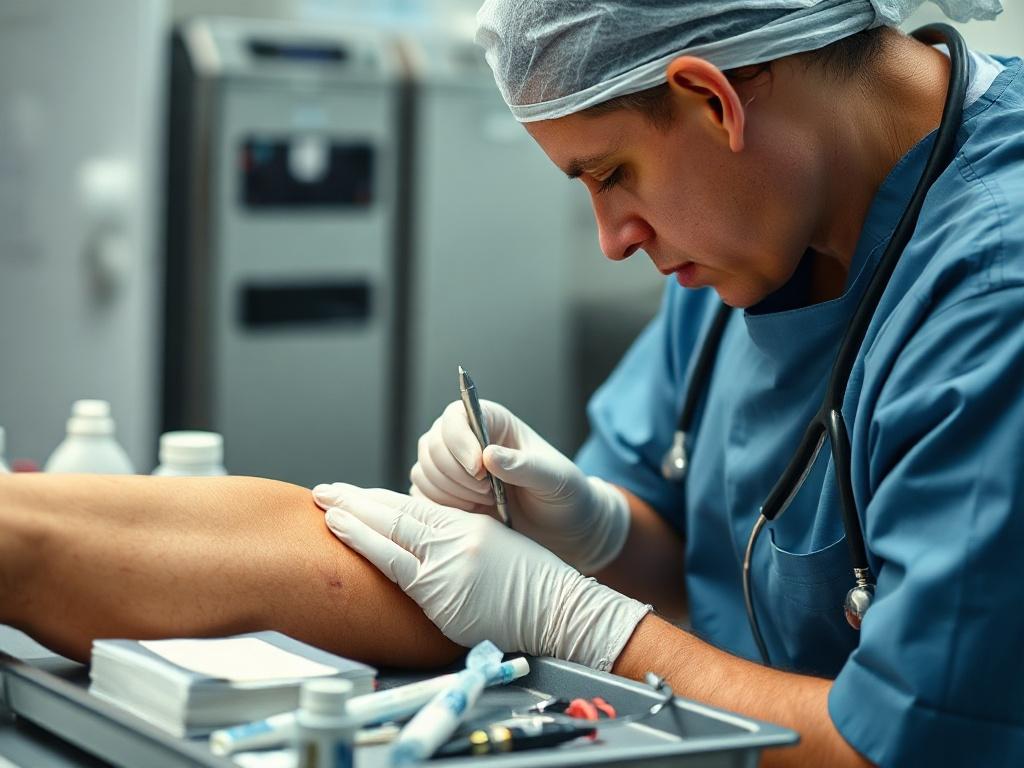
Debridement is the process of removing dead or infected tissue from a wound to encourage healthy tissue growth. This step matters because dead tissue can harbor bacteria and physically block the healing process. Some advanced techniques, such as low-frequency ultrasound debridement, offer a more precise and less painful approach than traditional methods. A clean, healthy wound bed gives the body a much better chance at closing the wound properly.
Beyond debridement, advanced wound care often relies on specialized dressings and tools designed for specific wound types.
It's worth reaching out to a wound care specialist if a wound shows certain warning signs. These include a wound that hasn't improved after a few weeks, increasing pain, redness, swelling, or drainage, or any wound related to diabetes or poor circulation. People recovering from surgery should also seek help if a wound reopens or doesn't close as expected. Early intervention often leads to faster healing and fewer complications.
Our team at SknFx understands how frustrating it can be when a wound isn't healing the way it should. We're here to bring advanced, compassionate wound care directly to you, with treatment plans built around your specific needs. Reach out today and take the next step toward healing.