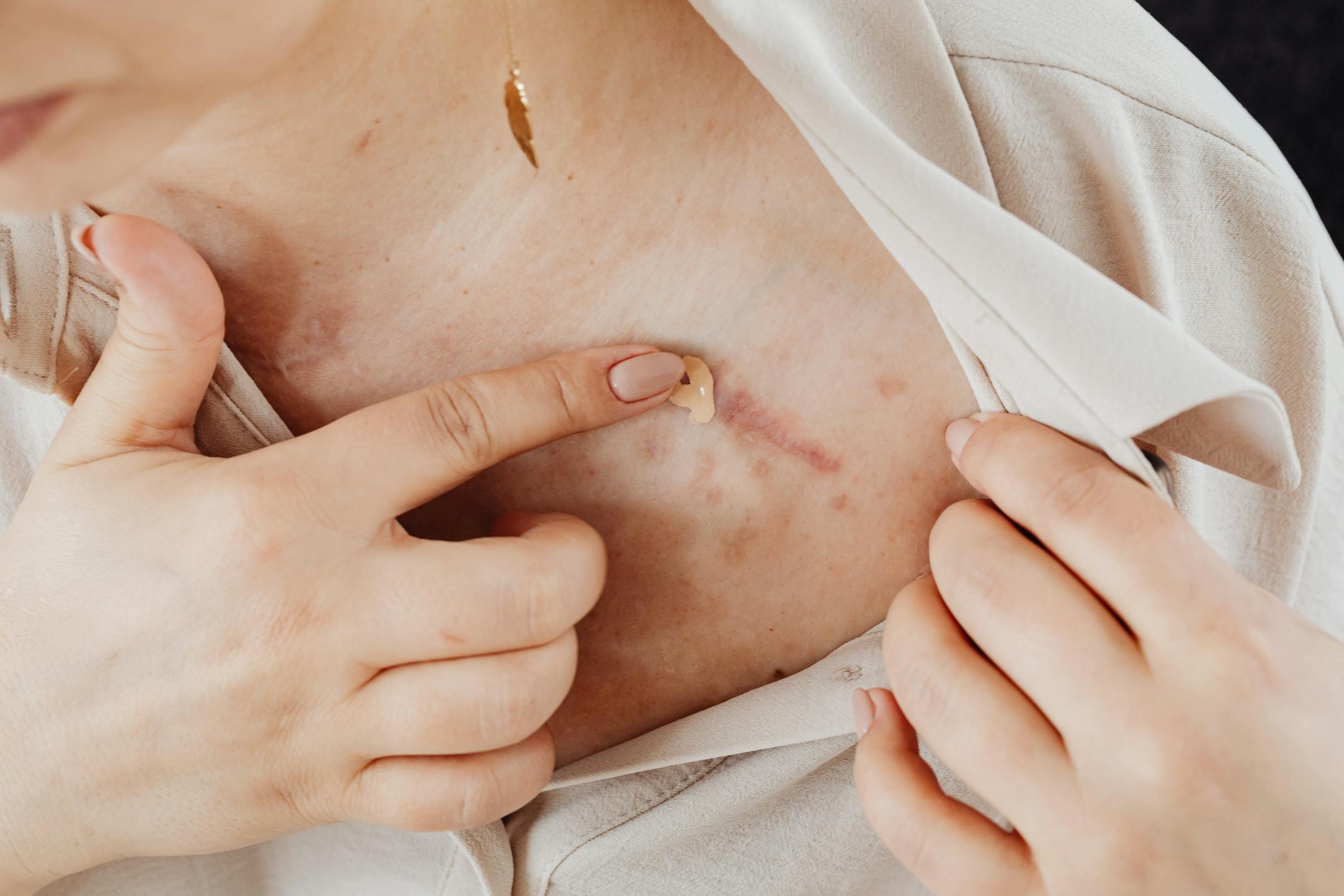
When a wound won’t heal, it affects everything. You plan your day around dressings. You limit movement. And you worry about infection or worse. For many people, the next step used to be surgery. Now there’s another option that’s less invasive and easier to manage: amniotic membrane therapy.
This approach helps the body do what it’s meant to do—heal. And for many chronic wounds, it works without the stress of surgery.
Most cuts and scrapes close in days. But chronic wounds are different. They stay open for weeks or months. Common examples include:
These wounds stall for a few reasons. Blood flow may be poor. Inflammation may stay high. Or the body may lack the signals it needs to rebuild tissue. Standard care—cleaning, dressings, and antibiotics—helps, but sometimes it’s not enough.
That’s where amniotic membrane therapy comes in.
Amniotic membrane therapy uses a thin layer of tissue from the amniotic sac (the membrane that surrounds a baby during pregnancy). The membrane is carefully processed and made safe for medical use.
This tissue is rich in growth factors and proteins. These elements support healing at a cellular level. When placed on a wound, the membrane acts like a guide. It helps your body repair itself.
The treatment is simple. A clinician cleans the wound, applies the membrane, and covers it with a dressing. There’s no need for an operating room. No long recovery time.
Amniotic membrane therapy works in a few clear ways:
Think of it as creating the right environment. When the conditions improve, your body can move forward with healing.
Surgery has its place. But it also comes with risks—especially for people with chronic wounds. You may face anesthesia concerns, infection risk, and long recovery periods.
With amniotic membrane therapy, the process is simpler:
And for many patients, that makes a big difference.
This therapy is often used when standard care hasn’t worked. You may be a good candidate if:
Each case is different. A proper evaluation matters. But many chronic wounds respond well once this therapy is added.
One of the biggest advantages is how manageable it is. Treatment can happen at home through mobile wound care services.
A clinician visits you. They assess the wound, apply the membrane if needed, and handle dressing changes. This approach reduces travel and keeps your care consistent.
Daily wound care also plays a key role. Clean wounds heal better. Regular monitoring helps catch problems early. And small adjustments keep progress on track.
You may hear about other options, like skin grafts or stem cell grafting. These can also help. But they often involve more complex procedures.
Amniotic membrane therapy stands out because it’s:
It can also work alongside other treatments. In some cases, combining therapies leads to better results.
Patients often ask about safety. That’s fair.
The membrane used in amniotic membrane therapy is screened and processed under strict medical standards. It’s designed for safe use in wound care. And because it’s applied topically, the risk profile is lower than surgical options.
You still need proper care and monitoring. But overall, this therapy offers a steady, controlled path to healing.
Healing takes time. But many patients see steady improvement:
Consistency matters. Sticking to your care plan, including follow-up visits, helps you get the best outcome.
For a long time, chronic wound care followed a narrow path. Clean the wound. Dress it. Wait. If that fails, consider surgery.
Now there’s a shift. Treatments like amniotic membrane therapy give clinicians more tools. And they give patients more choice.
You don’t always need to take the most invasive step. Sometimes, you need the right support at the right time.
If you’ve been dealing with a wound that won’t heal, it’s time to look at your options. Waiting too long can make things worse.
Ask questions. Get a proper assessment. And find out if amniotic membrane therapy fits your situation.
You want your life back. You want to move without pain and stop worrying about your wound.
This kind of care makes that possible. It meets you where you are. It fits into your routine. And it focuses on real healing, not just temporary fixes.
If you’re in the Houston area and dealing with a chronic wound, reach out to schedule a mobile evaluation. Get clear answers. Get a plan that fits your life. And find out if amniotic membrane therapy is right for you.