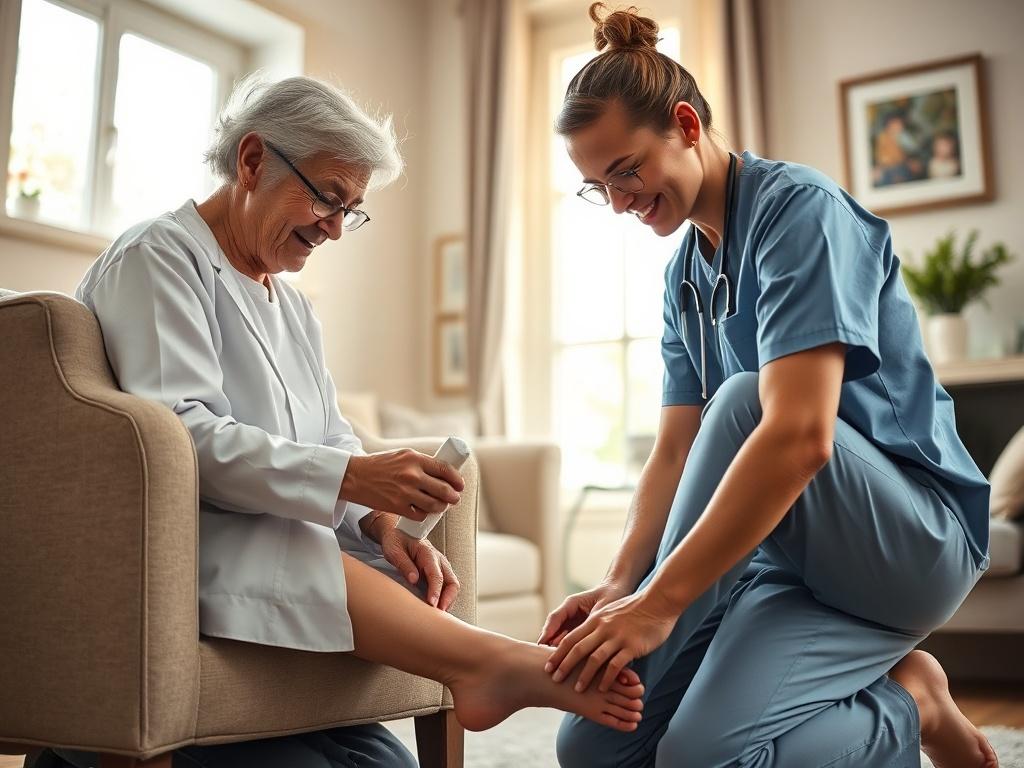
There's a common assumption that better care means going to a better facility. For wound care, that assumption is worth questioning. The reality is that for many patients managing chronic or complex wounds, the trek to a clinic appointment can actively work against the healing process. Missed appointments, transportation barriers, and the physical stress of travel all have real consequences.
Mobile wound care flips the model. Instead of asking patients to fit their healing around a schedule, it brings skilled clinical care directly to them, and the outcomes reflect it.
Wound care isn't a one-time fix. Chronic wounds, post-surgical sites, and conditions like diabetic ulcers or venous insufficiency wounds require consistent, ongoing attention. That means repeated clinic visits over weeks or months, which creates a compounding logistical burden for patients who are already dealing with limited mobility, pain, or other health challenges.
When patients struggle to get to appointments, they delay care, reschedule, or skip visits entirely. Each gap in treatment gives a wound more time to stagnate, worsen, or become infected. Consistency is one of the most important factors in wound healing, and the traditional clinic model makes consistency harder to maintain.
It's easy to underestimate how much effort a single clinic visit requires for a patient with a serious wound. For someone who can't drive, relies on a caregiver, or has limited mobility, a routine appointment can take hours out of the day and leave them physically exhausted. For elderly patients or those managing multiple conditions, that exhaustion isn't trivial. It affects their recovery, their quality of life, and their willingness to keep showing up.
Mobile wound care removes that barrier entirely. When the clinician comes to the patient, the energy that would have gone into travel stays available for healing.
One of the most underappreciated advantages of mobile wound care is the consistency of the clinical relationship. When the same provider visits regularly, they develop a detailed, real-world picture of how the patient is doing between appointments. They can see the home environment, understand daily routines, and assess factors that would never come up in a clinic waiting room.
That context matters clinically. A wound that looks similar from one visit to the next might be progressing well or stalling out, and a clinician who knows the patient's habits, diet, activity level, and home setup is far better positioned to interpret what they're seeing and adjust the care plan accordingly.
Mobile wound care providers often identify issues early that would otherwise go unnoticed until they became serious. Signs of infection, pressure injury development, or changes in wound bed condition can be assessed in the patient's actual environment, not just during a brief clinic window. Early intervention is consistently one of the strongest predictors of positive wound outcomes.
Patients who receive regular in-home visits are also more likely to ask questions, raise concerns, and stay engaged with their care plan, because the relationship feels more personal and accessible than a clinic setting typically allows.
Research consistently supports the idea that patient stress, comfort, and psychological state influence physical healing. Being in a familiar environment reduces anxiety, improves sleep, and supports the kind of steady recovery that wounds require. Clinic environments, however well-run, introduce variables that a patient's own home simply doesn't.
Mobile wound care isn't a lesser version of clinical care delivered in a different setting. It's a model that uses the home environment as a therapeutic advantage. The clinical standards, assessment tools, and treatment protocols are the same. What changes is that the patient gets to heal on their own terms.
Skilled mobile wound care goes well beyond basic dressing changes. A qualified provider will assess wound dimensions, tissue quality, drainage, and surrounding skin at each visit, adjust the treatment plan based on what they observe, coordinate with the patient's broader care team, and educate patients and caregivers on what to monitor between visits.
The visits are structured, clinically rigorous, and documented with the same attention to detail as any outpatient setting. The difference is that all of it happens without the patient having to leave home.
At SknFx, our team brings skilled, compassionate wound care directly to patients where they are. We believe healing shouldn't depend on a patient's ability to navigate a healthcare system that wasn't designed with their limitations in mind. Our clinicians are experienced, thorough, and committed to care plans that actually fit the patient's life.
If you or someone you love is managing a wound that needs consistent, expert attention, reach out to our team today. We're here to make the path to healing a little less complicated.