Wound care plays a critical role in preventing infections, promoting healing, and improving overall quality of life. Whether you're recovering from surgery, managing a diabetic ulcer, or treating a chronic wound, receiving consistent, high-quality care can make all the difference.
Today, patients have more options than ever before. While traditional clinic visits remain an important part of healthcare, mobile wound care has become an increasingly popular alternative for many individuals. Understanding the benefits and limitations of each option can help you choose the approach that best fits your medical needs and lifestyle.
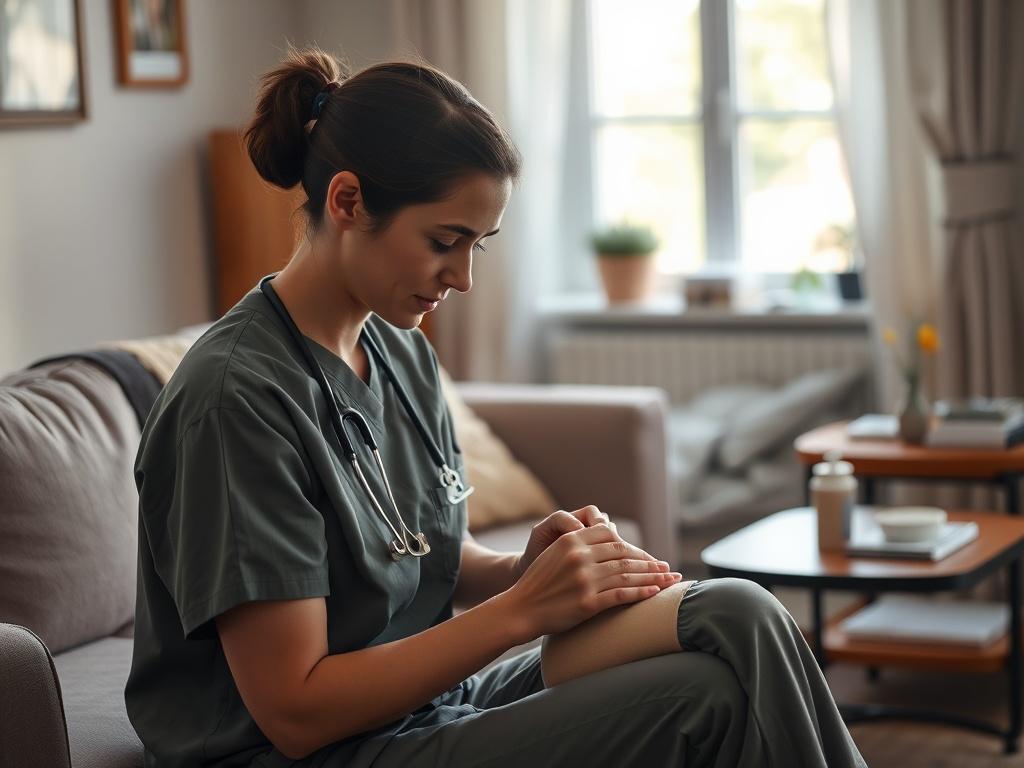
Mobile wound care brings experienced healthcare professionals directly to a patient's home, assisted living community, or skilled nursing facility. Instead of traveling to a medical office, patients receive evaluations, dressing changes, wound monitoring, and treatment in a familiar environment.
Providers can often deliver many of the same advanced wound care services available in a clinic while eliminating the need for transportation. This approach allows patients to stay comfortable while still receiving personalized medical attention.
Traditional wound care takes place in a physician's office, a wound care center, a hospital outpatient department, or a medical clinic. Patients travel to scheduled appointments where specialists assess healing progress and perform necessary treatments.
Clinic-based care remains an excellent option for many individuals, particularly those who require specialized equipment or procedures that cannot safely be performed at home.
For many patients, receiving treatment at home offers significant advantages beyond convenience.
Traveling with a painful wound can be physically exhausting. Patients may need family members, caregivers, or medical transportation to attend appointments.
With mobile wound care, providers come to you. This helps eliminate transportation challenges while making it easier to stay on schedule with recommended treatment.
Healing can be stressful enough without spending time in waiting rooms or traveling across town.
Receiving care in your own home allows you to remain in a familiar environment where you can relax throughout the visit. Many patients feel more at ease asking questions and discussing concerns when they're in comfortable surroundings.
Mobile providers can observe factors that may affect healing within the home environment. They can identify potential obstacles, educate caregivers, and provide recommendations tailored to the patient's daily routine.
This individualized approach often helps improve adherence to treatment plans and encourages better long-term outcomes.
Transportation isn't always simple, especially for older adults or individuals with limited mobility.
Mobile wound care can be especially beneficial for patients who:
Removing transportation barriers helps patients receive consistent care without unnecessary interruptions.
Clinic-based wound care continues to play an essential role for many patients. Healthcare facilities provide access to specialized resources that may not be available during home visits.
Some benefits include:
For patients with highly complex wounds, these resources may be necessary to support proper healing.
Many wounds can be safely treated at home under the supervision of qualified wound care professionals.
Mobile wound care may be an excellent option for patients managing:
Patients who value convenience, have mobility limitations, or prefer receiving care in their own home often find this model significantly improves their overall experience.
Although mobile wound care offers many benefits, there are situations where a clinic or hospital setting provides the safest level of care.
Patients with severe infections, rapidly worsening wounds, or conditions requiring emergency intervention should seek immediate medical evaluation in a hospital or specialty clinic.
Some treatments require specialized surgical equipment or imaging that cannot be performed during a home visit. These may include surgical debridement, certain vascular procedures, or complex diagnostic testing.
Some patients benefit from coordinated treatment involving surgeons, infectious disease specialists, vascular physicians, and other healthcare professionals working together in one facility.
In these situations, clinic-based care remains the most appropriate option.
Every patient's situation is unique. The right choice depends on several factors, including the type of wound, your overall health, mobility, and treatment goals.
When deciding between mobile wound care and traditional clinic visits, consider:
Speaking with a qualified wound care provider can help determine which setting offers the safest and most effective treatment plan.
If you or a loved one needs professional wound care, our team is ready to provide compassionate treatment tailored to your unique needs. We believe quality care should be convenient, accessible, and focused on achieving the best possible outcomes. Contact us today to learn whether mobile wound care is the right choice for you and take the next step toward healing.