When a wound is not healing the way it should, most people do what they always do first: they search online.
They type in symptoms. They compare photos. They read forum posts. They look for home remedies, over-the-counter products, and signs that “it’s probably fine.”
Sometimes that feels reassuring. But when it comes to wound healing, search results can create a dangerous false sense of confidence.
A wound care nurse knows something Google does not: wounds rarely tell the full story at a glance. What looks minor on the surface can signal infection, poor circulation, pressure-related damage, diabetes-related complications, or a healing delay that needs skilled intervention. And in many cases, the biggest risks are not the things patients can reliably identify on their own.
That is why expert wound care matters.
Online information can be helpful for general education. It can explain terms, outline broad possibilities, and encourage people to seek treatment. But it cannot examine tissue. It cannot evaluate drainage. It cannot smell infection, check surrounding skin changes, measure wound depth, or identify whether healing has stalled for a deeper reason.
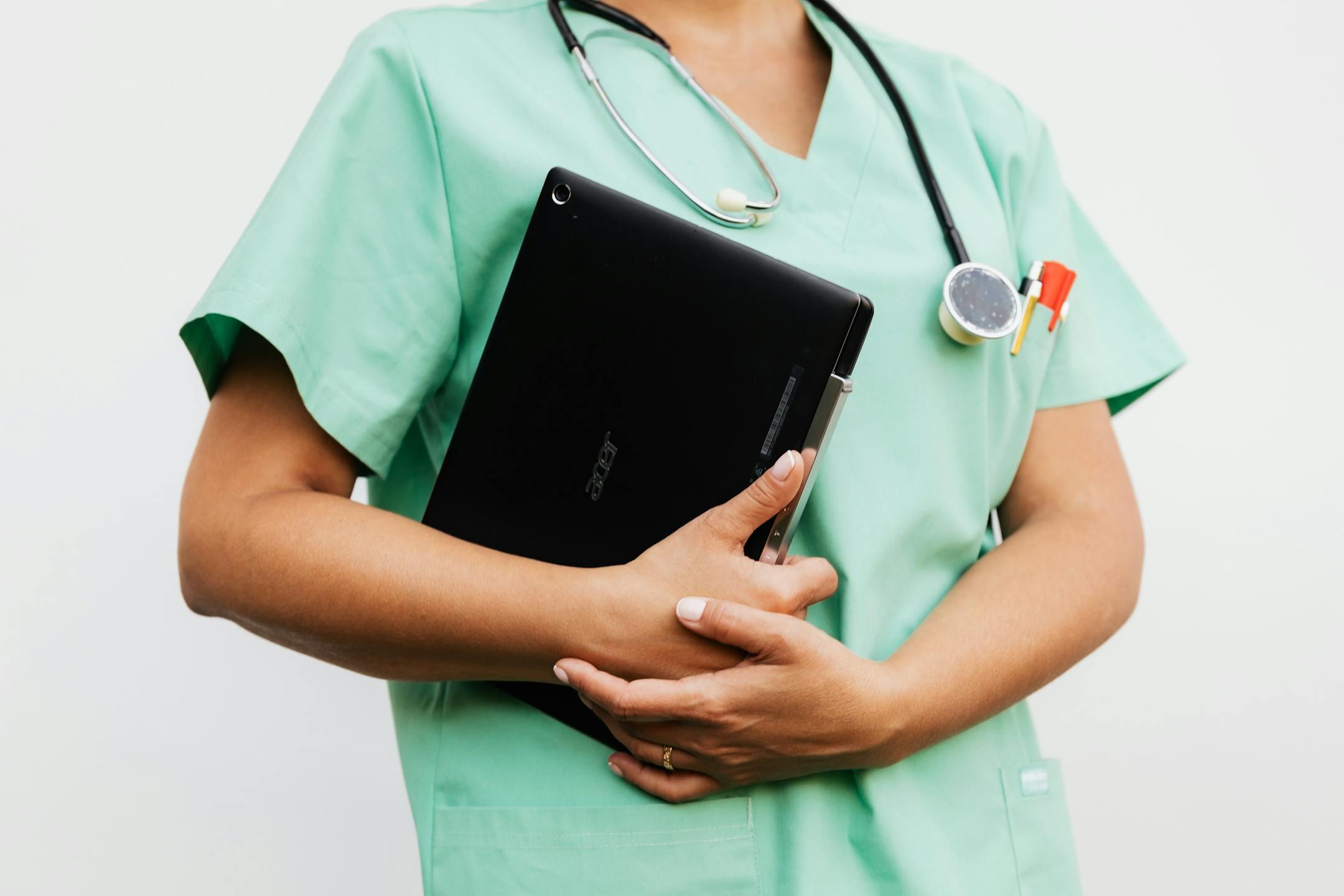
A wound care nurse is trained to look beyond the obvious. That includes assessing the wound itself, but also asking the right questions about overall health, mobility, circulation, pressure, nutrition, pain, chronic illness, medications, and risk factors that may be interfering with healing.
That difference matters.
Because often, slow healing is not just about “keeping it clean.” It is about understanding why the wound is not progressing.
One of the biggest mistakes patients make is treating every wound like it follows the same pattern.
A scrape is not the same as a diabetic foot ulcer. A pressure injury is not the same as a surgical wound. A chronic open wound is not the same as skin irritation. And what appears manageable in the early stages can become much more serious when treatment is delayed or the wrong approach is used repeatedly.
A skilled wound care nurse understands that wound type changes everything, including:
Google cannot personalize any of that to your actual condition.
Many patients wait too long to get help because the wound does not “look bad enough” yet.
That is one of the biggest problems with relying on internet research alone. By the time a wound clearly looks alarming to an untrained eye, the issue may already be more advanced than it should be.
A wound care nurse is trained to spot warning signs early. That might include subtle inflammation, changes in tissue quality, excess moisture, delayed granulation, increased drainage, odor, discoloration around the wound, or signs that pressure or poor circulation are making healing harder.
Those details are easy to miss if you are relying on online images or generalized checklists.
And when those details are missed, healing often slows down. Infection risk rises. Complications become more likely. What could have been addressed early becomes harder to manage later.
Another thing a wound care nurse knows that Google does not: wound healing is rarely just topical.
Yes, the wound itself matters. But so do the systems around it.
A specialist may need to consider whether the patient is:
This is where experienced care becomes especially valuable. Wound healing is not just about applying a bandage and waiting. It is about identifying barriers, adjusting treatment, and watching closely enough to know whether the current plan is actually working.
That kind of guidance can make a major difference in both comfort and outcomes.
People often turn to home care ideas because they want to do something right away. That instinct makes sense. But without expert direction, well-intentioned choices can slow healing instead of support it.
Using harsh cleansers, changing dressings too often, not changing them often enough, applying the wrong products, ignoring pressure, or assuming pain is the only warning sign can all create setbacks.
A wound care nurse helps remove the guesswork. Instead of piecing together advice from articles and videos, patients get a treatment plan based on what the wound is actually doing in real time.
That does not just help protect the wound. It also helps protect the patient from the stress and uncertainty that come from trying to manage a complex healing issue alone.
For many patients, one of the hardest parts of wound care is not just the wound itself. It is the logistics.
Traveling to appointments, keeping up with dressing changes, understanding care instructions, monitoring for signs of worsening, and managing pain or mobility challenges can all make healing feel more overwhelming.
That is why in-home wound care can be so meaningful.
Based on the SknFx model, patients are supported through advanced wound care brought directly to the home, with personalized treatment plans, frequent provider attention, and services designed to promote faster healing and better quality of life. Their site emphasizes in-home advanced wound cleaning, holistic health assessment, and advanced treatment options for conditions like chronic open wounds, venous ulcers, diabetic foot ulcers, and pressure ulcers. That kind of care reflects what many patients need most: expertise that is consistent, accessible, and tailored to the full picture.
Patients are not supposed to know how to stage pressure injuries, assess tissue viability, or judge whether a wound is progressing properly week to week.
That is exactly why a wound care nurse matters.
This kind of specialist understands the patterns that distinguish normal healing from delayed healing. They know when a wound looks stable but is not improving. They know when redness is routine irritation and when it may suggest something more serious. They know that “it looks better today” is not always the same thing as true progress.
Most importantly, they know how to respond before a small issue becomes a larger one.
There is nothing wrong with wanting to understand more about your health. But there is a difference between learning and self-managing a potentially serious wound based on search results.
The internet cannot replace clinical judgment. It cannot monitor your healing. It cannot adapt your care when the wound changes. And it cannot step in when the wound is telling a more urgent story than you realize.
A wound care nurse can.
That is the difference between general information and actual care.
If a wound is lingering, getting worse, draining more, causing concern, or simply not healing the way you expected, it is time to stop relying on Google for reassurance.
What patients often need most is not more information. It is skilled evaluation, a clear plan, and ongoing support from someone trained to identify real risks early.
Because most infections and slow healing do not happen because people do not care. They happen because wounds are more complex than they appear, and online advice cannot replace a specialist who knows what to look for.
That is what a wound care nurse knows that Google does not.