When you or a loved one develops a chronic or slow-healing wound, the first instinct is often to search for a nearby wound care center. These facilities are well known for treating complex injuries, diabetic ulcers, and post-surgical wounds. However, a traditional wound care center is not always the best or most efficient option for every patient. In many cases, mobile wound care services can provide faster healing, greater comfort, and fewer disruptions to daily life.
Understanding when a wound care center is necessary and when an in-home or mobile solution may be better can save time, reduce stress, and even improve medical outcomes.
Wound care centers are specialized medical facilities that treat non-healing or complex wounds. Patients usually visit these clinics on a regular schedule, sometimes weekly or more often. Services often include advanced dressings, debridement, infection management, and coordination with other medical professionals.
While these centers provide valuable expertise, they also come with logistical challenges. Transportation, long wait times, scheduling conflicts, and exposure to other illnesses can all create barriers for patients who are already dealing with pain or limited mobility. For elderly individuals or those recovering from surgery, frequent travel can slow recovery rather than support it.
Not every wound requires a facility visit. Many wounds that need consistent monitoring and professional treatment can be effectively managed outside a clinical environment. Patients with stable but slow-healing wounds, mobility issues, or demanding schedules often find that traveling to a center is more burdensome than beneficial.
If a wound is not rapidly deteriorating, does not require immediate surgical intervention, and can be safely managed with professional oversight, a mobile wound care service may be a practical alternative. This approach allows patients to receive high-quality treatment while remaining in their home, assisted living facility, or rehabilitation center.
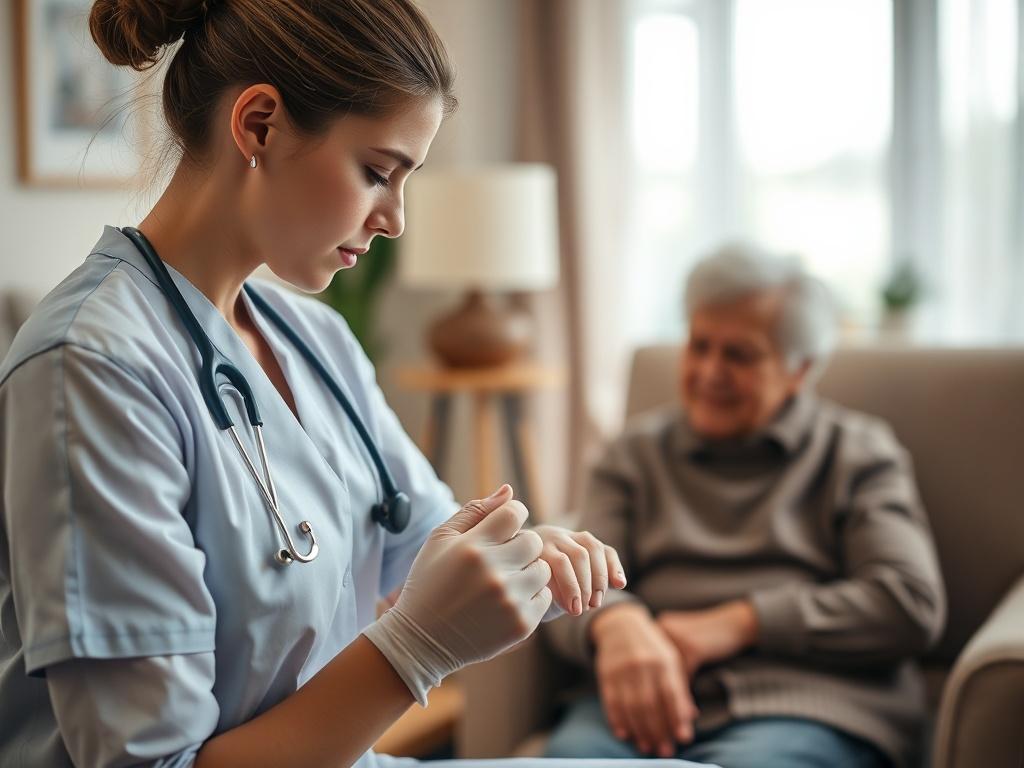
Mobile wound care brings licensed medical professionals directly to the patient. This model focuses on convenience without sacrificing quality. Instead of rearranging work schedules, arranging transportation, or waiting in crowded clinics, patients receive treatment where they are most comfortable.
One major benefit is consistency. When care is provided at home, providers can more easily monitor changes in the wound and its surrounding environment. They can also assess factors such as hygiene practices, bedding, and footwear that may be contributing to delayed healing. This holistic view often leads to more effective treatment plans.
Another advantage is reduced exposure to infection. Medical facilities naturally see high patient volumes, increasing the risk of cross-contamination. Home-based treatment limits unnecessary contact and creates a safer healing environment, particularly for immunocompromised individuals.
Mobile wound care services often provide more personalized attention than traditional clinics. Appointments are not rushed, and providers can focus entirely on the individual patient rather than managing multiple exam rooms at once. This extra time often results in more thorough wound assessments and better communication about aftercare.
Patients also benefit from improved compliance. When treatment is convenient and comfortable, people are more likely to follow care instructions and maintain regular appointments. Consistency is a key factor in wound healing, especially for diabetic ulcers, pressure sores, and surgical incisions.
Mobile wound care is especially helpful for seniors, individuals with disabilities, post-operative patients, and those with chronic conditions such as diabetes or vascular disease. It is also ideal for busy professionals who cannot frequently leave work or families caring for loved ones at home.
That said, there are still situations where a wound care center is the right choice. Severe infections, rapidly worsening wounds, or cases requiring advanced surgical equipment may still need a facility-based approach. The key is determining the level of care required and choosing the option that promotes the best healing outcome with the least disruption.
The decision between a wound care center and mobile wound care should be guided by medical advice, wound severity, and personal circumstances. Convenience alone should not be the only factor, but it plays an important role in long-term treatment success. Patients who feel supported and comfortable are more likely to stay engaged in their care plan and experience positive results.
For those seeking professional wound care without the hassle of frequent clinic visits, SknFx offers advanced mobile wound care services designed to deliver expert treatment directly to patients. Our experienced medical team focuses on personalized care, faster healing timelines, and minimizing disruptions to everyday life. By combining clinical expertise with in-home convenience, we help patients receive the attention they need while staying in a familiar, comfortable environment.
Reach out to our team today for mobile wound care.